
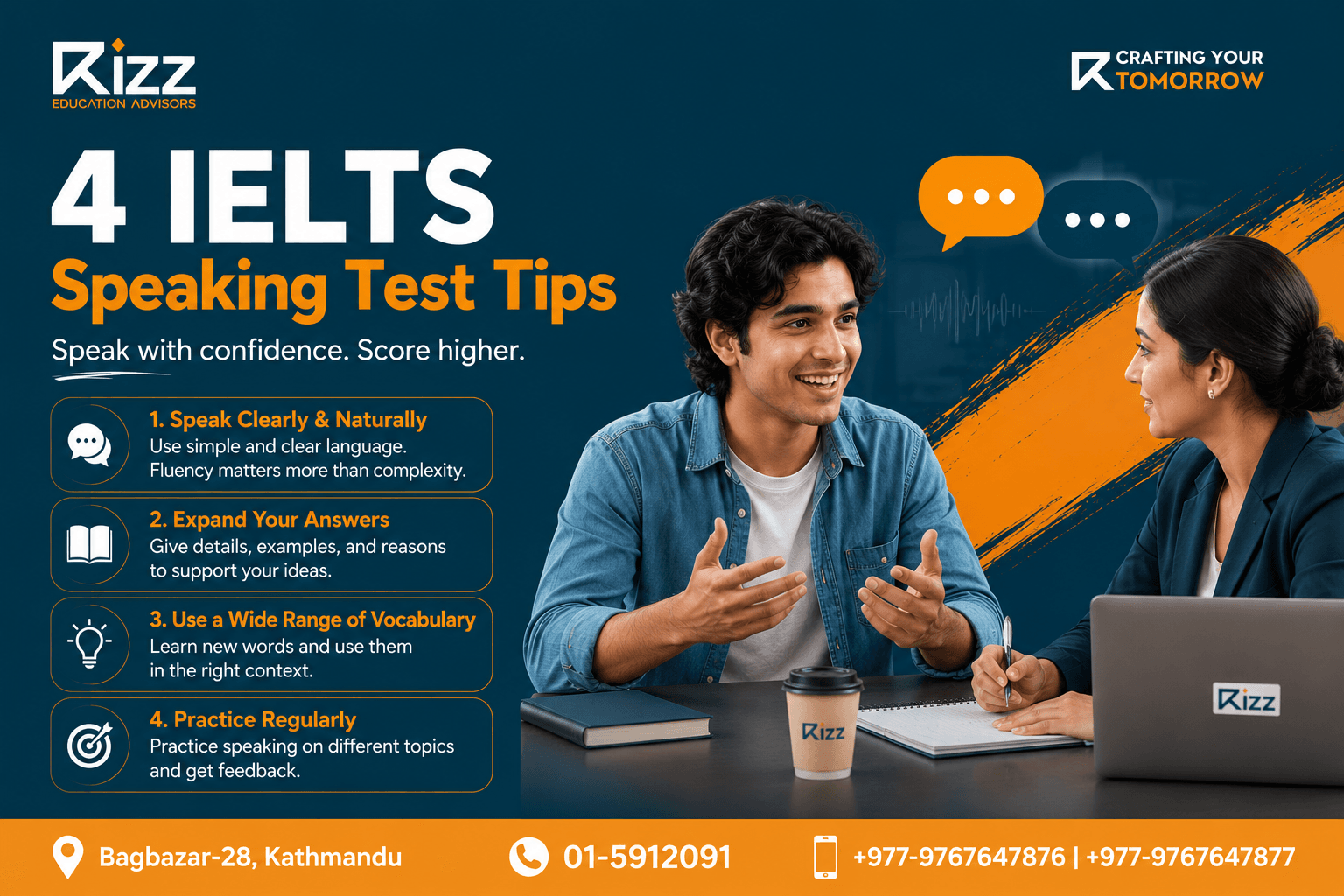
IELTS Speaking Questions 2026: Complete Guide for Part 1, 2 & 3 (With Answers + Band 8 Tips)
Introduction
If you are preparing for the IELTS Speaking test in 2026, knowing the right questions, structure, and strategies can make the difference between a Band 6 and a Band 8. In essence, the IELTS Speaking section is a face-to-face interview lasting 11 to 14 minutes, and it tests your ability to communicate naturally, coherently, and fluently in English.
To help you prepare as effectively as possible, this guide covers everything you need — the latest IELTS speaking questions for June and July 2026, Part 1, Part 2, and Part 3 breakdowns, the most commonly asked topic categories, real cue card examples sourced from recent test sittings, Band 8 tips, and a detailed FAQ section. Moreover, all question lists in this article are based on verified reports from real test-takers in the current May–August 2026 testing window, so you can be confident you are practicing with material that actually matters.
What Is the IELTS Speaking Test? (Format Overview)
The IELTS Speaking test is divided into three parts, each with a distinct format and purpose. Importantly, all candidates — whether taking IELTS Academic or General Training — sit the same speaking test, which means your preparation applies universally regardless of which module you are registered for.
| Part | Duration | Format |
|---|---|---|
| Part 1 | 3–5 minutes | Personal questions on everyday topics |
| Part 2 | 3–4 minutes | Long turn: speak from a cue card |
| Part 3 | 4–5 minutes | Two-way discussion on abstract themes |
Total duration: 11–14 minutes. Your performance is assessed on four equally weighted criteria:
- Fluency and Coherence – how naturally and smoothly you speak
- Lexical Resource – range and precision of vocabulary
- Grammatical Range and Accuracy – use of varied sentence structures
- Pronunciation – clarity, rhythm, stress, and intonation
IELTS Speaking Part 1: Questions, Topics & Tips (2026)
What Is Part 1?
Part 1 lasts 3 to 5 minutes and begins with the examiner asking for your ID, followed by introductory questions about familiar topics. Think of it as a casual conversation with someone you are meeting for the first time. As a result, the most natural approach is to extend your answer to 2–3 sentences by giving reasons, adding details, or sharing an example — rather than giving a flat, one-word reply.
Key Strategy: Always give a reason for your answer. Instead of saying "Yes, I like cooking," explain why and connect it to your life. In other words, use the Point → Reason → Example formula to keep your answers rich and natural.
Most Commonly Asked IELTS Speaking Part 1 Topics (2026)
Personal & Lifestyle
- Family (size, relationships, time spent together)
- Home and accommodation
- Neighborhood and local area
- Hobbies and leisure activities
- Food and cooking
- TV programs and media
Work & Education
- Current studies or job
- University or college life
- Career plans and aspirations
Nature & Environment
- Weather and seasons
- Cold or hot weather preferences
- Climate change awareness
Technology & Habits
- Mobile phone usage
- Apps and digital tools
- Social media habits
Trending Part 1 Topics in 2026
- Handwriting and personality
- Public holidays
- Singing and music
- Drinking water habits
- Books at home
- Playing outside (for children)
- Climate change feelings
Sample IELTS Speaking Part 1 Questions with Answers
Topic: Family
Q: Do you have a large family or a small family?
"I come from a fairly small family — just my parents, my younger sister, and me. We are very close-knit, and even though we are few in number, we make it a point to have dinner together every evening, which I think keeps the bond strong."
Q: How much time do you spend with members of your family?
"During the weekdays it is quite limited because of work, but on weekends we usually set aside the entire Sunday for family time — whether it is cooking together, going on short trips, or just watching movies at home."
Topic: Accommodation
Q: What kind of accommodation do you live in?
"I live in a mid-sized apartment in the city center. It is compact but very functional — I have my own study space and a small balcony where I grow herbs, which I find very relaxing."
Topic: Cold Weather
Q: Would you prefer to live in a hot place or a cold place?
"I would definitely prefer a colder climate. I find that cooler temperatures make me more productive and alert. Plus, I love layering outfits and enjoying hot drinks by the window — something that only feels right in cold weather."
Part 1 Speaking Tips
- Treat every answer as a mini-story: Point → Reason → Example
- In particular, avoid one-word or one-sentence answers — they signal low engagement to the examiner
- Use natural connectors such as "What I enjoy most is…", "The thing is…", and "Interestingly enough…" to sound fluent
- Above all, never memorize scripted answers — it sounds unnatural and will noticeably lower your score
IELTS Speaking Part 2: Cue Card Topics & How to Answer (2026)
What Is Part 2?
Part 2, also known as the Long Turn, is where you receive a cue card with a topic and 3–4 bullet points. You are given 1 minute to prepare notes and then must speak for 1 to 2 minutes without interruption. Fortunately, this is the most predictable part of the test — cue card topics follow recurring categories, which means focused preparation goes a long way.
The 6 Essential Cue Card Categories for 2026
1. People
- Describe a person you admire
- Describe a person whose job is important to society
- Describe someone who motivated or inspired you
- Describe a person who loves to grow plants at home
2. Places
- Describe a place you visited where the air was polluted
- Describe a place you would like to visit in the future
- Describe the home of someone you know well and often visit
- Talk about an important river in your country
3. Objects & Things
- Describe something you made with your hands for a friend
- Describe an item on which you spent more than expected
- Describe a gadget you use every day
- Talk about a skill that takes a long time to learn
4. Events & Experiences
- Describe an important journey that was delayed
- Describe a childhood memory that makes you happy
- Describe a time when you worked in a group
- Describe an occasion when you were not allowed to use your mobile phone
- Describe a time when you had some medicine
5. Activities & Habits
- Talk about something you like to do in your leisure time
- Describe an activity you do after school or work
- Describe a competition you would like to take part in
6. Abstract & Opinion-Based
- Describe a good law in your country
- Talk about the happiest situation in your life
- Describe an exciting book you have read
- Describe a natural talent you would like to improve
How to Structure Your Part 2 Answer (STORY Framework)
- S – Set the scene (who, what, when, where)
- T – Tell what happened or describe the topic
- O – Opinion/feelings at that time
- R – Reflect on the experience or subject
- Y – Your takeaway / what you learned or felt
Introductory Phrases
- "I'm going to talk about…"
- "I'd like to talk about…"
- "What I'm going to describe is…"
Phrases to Expand Your Answer
- "First of all… / Secondly… / Additionally…"
- "Another thing worth mentioning is…"
- "What's more…"
Background & Context Phrases
- "It happened back in…"
- "It took place in…"
- "At that time…"
Impression Phrases
- "It really impressed me because…"
- "That experience moved me deeply…"
- "It had a lasting effect on me…"
- "It influenced me greatly…"
Phrases for Things You Like
- "I'm really into…"
- "It genuinely appeals to me because…"
- "I'm so much into this that…"
- "I enjoy… / I love doing… / I'm keen on…"
IELTS Speaking Part 3: Discussion Questions & Strategy (2026)
What Is Part 3?
Part 3 lasts 4 to 5 minutes and takes the form of a deeper, two-way discussion with the examiner. Unlike Part 1, the questions here are abstract and closely linked to your Part 2 topic. As a result, you are expected to give well-reasoned answers of 3 to 5 sentences, demonstrating the ability to analyze, speculate, compare, and draw conclusions.
Commonly Asked Part 3 Topics in 2026
Technology
- How has technology changed the way people communicate?
- Do you think AI will replace certain jobs in the future?
- What are the advantages and disadvantages of social media?
Environment
- What steps can governments take to address climate change?
- How does air pollution affect communities in your country?
- Is individual behavior or government policy more important in protecting nature?
Education
- What makes a good student in today's world?
- Do you think computers will one day replace teachers in the classroom?
- What is the difference between how children and adults learn?
Health
- How has awareness of mental health changed in recent years?
- What role should governments play in promoting public health?
- Are modern diets healthier or unhealthier than those of the past?
Other recurring Part 3 themes: Art, Clothes & Fashion, Family structures, Media & News, Society & Equality, Travel, Work, Science, Politics, Sports.
Sample Part 3 Answers
Q: Do you think computers will one day replace teachers?
"I think it is unlikely that computers will fully replace teachers, at least in the foreseeable future. While technology can certainly personalize learning and make educational content more accessible, it lacks the emotional intelligence and mentorship that a human teacher provides. A great teacher does more than deliver information — they inspire, motivate, and adapt to each student's emotional state. That said, technology will continue to play a growing supporting role, and the most effective classrooms will likely blend both elements."
Q: How has art changed in your country in the last few decades?
"Art in my country has undergone a dramatic transformation. Traditional forms like classical music, folk painting, and regional theater are still respected but are increasingly being supplemented by digital art, street art, and cross-cultural collaborations. Social media platforms have democratized art — anyone with a smartphone can be an artist today. This has expanded who gets heard and seen, though it has raised questions about the depth and longevity of modern artistic expression."
Part 3 Answering Strategy
- Always follow this structure: Answer → Explain → Example → Conclude
- Furthermore, show two sides of an argument before committing to your final stance
- Use discourse markers naturally: "On the one hand… On the other hand…", "While some argue… others believe…"
- If needed, you may ask the examiner to repeat a question once — this is perfectly acceptable and will not affect your score
- Above all, never give a one-line answer; examiners are specifically listening for how well you develop and sustain your ideas
Real IELTS Speaking Questions: June & July 2026 (Reported by Test-Takers)
The following questions have been reported by real IELTS test-takers who sat their exams in June and July 2026. Notably, Cambridge Assessment English updates the IELTS Speaking question pool three times per year, and the May–August 2026 window is currently in effect. Therefore, these questions are as close to what you will face on test day as any resource can provide. Use them to run timed mock practices and record your responses before your test date.
Why These Questions Matter for Your Preparation
Unlike predicted or recycled question lists, these questions come directly from verified test-taker reports across multiple countries including India, Canada, the UK, and Australia. Consequently, they reflect the exact topics and phrasing that examiners are currently using. In addition, recent test-takers have reported a noticeable increase in questions about personal experiences and future aspirations, as well as more region-specific cultural and lifestyle prompts. For these reasons, practicing with this list gives you a significant preparation advantage over generic study materials.
Latest Part 1 Questions — June & July 2026
These are actual Part 1 questions reported from recent sittings. They cover a wide range of personal and lifestyle topics:
Music
- Are you learning a musical instrument at the moment?
- Have you ever learned to play a musical instrument?
- What kinds of music do you like to listen to?
- What's your favorite kind of music?
- When did you start listening to this type of music?
- Where do you listen to it?
Films & Cinema
- What types of films do you like to watch?
- How often do you go to the cinema?
- Are cinema tickets expensive in your country?
- Has your taste in movies changed since you were younger?
- Do you prefer to watch a film alone or with others?
Sports & Activities
- Do you like sports?
- Do you prefer watching or playing sports?
- Where do you often walk?
Hometown & Neighborhood
- Where are you living at the moment?
- How many people live in your hometown?
- How important is your hometown to you?
- What are the most crowded places in your hometown?
- When was the last time you were in a crowded place?
- What do you like about the area around where you live?
- Do many people live in your neighbourhood?
Work & Study
- Do you work or are you a student?
- Why did you choose that major?
- Why did you choose that job?
- What specific things do you do on your job?
- What did you do on the first day of your job?
Daily Life & Habits
- Do you prefer to drink hot water or cold water?
- Do you like to smile?
- Do you prefer to look at the sky in the daytime or at night?
- Have you ever borrowed money from others?
- What do people in your country do during holidays?
- Who are more important to you, friends or family?
Languages & Learning
- Which languages do you speak?
- What is the difficulty in learning languages?
- Is there anything you dislike about learning English?
- What makes a good teacher?
- Do you like maths?
- Do you think females are good at maths?
Environment & Nature
- Does the weather in your country change often?
- How do you feel when you see other people throw garbage on the street?
- What kind of pets are common in your country?
Travel & Social
- Do you prefer traveling alone or in a group?
- Do you think there will be car sharing in the future?
- Can you give any examples of work that require patience?
Latest Part 2 Cue Cards — June & July 2026
These are full cue card prompts reported from the current testing window. Each includes the sub-questions you will be expected to address:
Experiences & Events
- Describe a special occasion when you had a really enjoyable meal. (where, who with, what you ate, why it was memorable)
- Describe a time when you faced a lot of pressure in your personal or professional life. (situation, how you dealt with it, how you felt)
- Describe a time when you were really close to a wild animal. (when, where, what happened, how you felt)
- Describe a time when you experienced a natural event such as a storm, flood, or snowfall. (where, what you were doing, what happened, how you felt)
- Describe a time when you were lost. (when, where, who you were with, what you tried to do, how you felt)
- Describe a time when you changed your opinion. (when, what situation, what made you change, how you felt after)
- Describe a time when you had to use your imagination. (when, why, what the situation was, how you felt)
- Describe a time when you had some medicine. (what, how often, why, how it helped or any side effects)
- Describe a time when you helped a friend with something. (when, what they needed, how you helped, why they needed it)
- Describe a time when you visited a place with friends. (where, who with, how you traveled, why you enjoyed it)
- Describe a time when you learned something from a young person. (who, what you learned, how they taught you, why it helped)
- Describe a time when you moved to a new school or home. (when, where, why, how you felt)
- Describe an event you enjoyed a lot. (what it was, where, who was there, why you enjoyed it)
- Describe an event you attended in which you didn't like the music played. (what the event was, where, what kind of music, why you didn't like it)
- Describe a recent sporting event you attended. (where, who with, what sports, why you enjoyed it)
- Describe an experience where you received good service from a company. (what company, when, what the service was, why it was good, how you felt)
People
- Talk about an interesting person you met recently. (who, where you met, what you talked about, why they were interesting)
- Describe a historical figure you are interested in. (who, what they did, why they are important, how you learned about them)
Places
- Describe a city or country where you would like to live in the future. (where, why, what you would do there, why it attracts you)
- Describe a place you want to visit but haven't been to. (where, how you know it, what you will do there, why you want to go)
- Describe a memorable trip you made. (where, who with, what you did, why it was memorable)
- Describe a historical period you would like to visit. (what period, where, what you would do, why you want to visit)
Objects & Technology
- Describe a useful mobile application you often use. (what it is, how you first learned about it, what you use it for, why it is useful)
- Describe a useful app on your mobile phone. (what, how long you've used it, what you use it for, why it's useful)
- Describe a piece of electronic equipment that you find useful. (what it is, when you got it, how often you use it, why it's important)
- Describe an invention that has changed the world. (what it is, who invented it, how it changed the world, why it is important)
Art, Music & Culture
- Describe a piece of music you like. (what, type, how you first heard it, where you listen, why you like it)
- Describe a piece of art you appreciate — a painting, sculpture, or theatre piece. (what, when and where you first saw it, how it is made, why you appreciate it)
- Describe an interesting tradition in your country. (what it is, when celebrated, how you celebrate it, why it is important)
Books & Learning
- Describe a book that you recently read. (what it was, why you chose it, what it is about, how you felt)
- Describe a book that had a significant impact on you. (what it is, who wrote it, what it is about, why it had a big impact)
- Describe a book you enjoyed reading because you had to think a lot. (what, why you read it, what you learned, why it was challenging)
- Describe a skill that you learned when you were a child. (what skill, when and how, why you learned it, how it helps you now)
Business & Society
- Describe a successful small business that you know. (what it is, who runs it, what it provides, why it is successful)
- Describe an important letter or email that you received. (who sent it, what it was about, how you felt, why it was important)
- Describe a film you have watched recently. (name, leading actors, what it is about, why you watched it, how you felt)
- Describe a party you enjoyed. (where, who was there, what you did, why you enjoyed it)
Latest Part 3 Questions — June & July 2026
Part 3 questions demand analytical and speculative answers. These are the real discussion questions being asked in exams right now:
Relationships & Society
- What effects can technology have on personal relationships?
- Do you think giving gifts is an important part of relationships? Why or why not?
- Do you think it is better to enjoy special events with family or with friends? Why?
- In your country, is there a strong culture of helping others, especially strangers?
- What can be done to encourage more people to get involved in their community?
- Who are more important — friends or family?
- Do you think one person can change their character because of another person?
Education & Youth
- Do you think children should be taught conversation skills at school? Why or why not?
- In what ways do toys influence a child's development?
- What can young people learn from the elderly?
- Can you think of examples where older people's experience is more valuable than young people's energy?
- In general, do people show their excitement differently depending on their age?
- Do you think schools should focus more on literary or scientific studies?
- How does technology affect the way people learn nowadays?
- How has the learning process changed over the years in your country?
Culture & Tradition
- Are young people in your country still interested in traditional customs?
- Can you tell me about any traditions that have disappeared, and why?
- Are there any specific events or festivals in your culture that are particularly exciting?
- What is the importance of parties in your culture?
- How does your nation's history inform its current political and social climate?
Business & Consumer Life
- What strategies can businesses use to reduce waiting times for customers?
- How important is good customer service for businesses?
- How does a family business differ from a corporate business?
- Can you give examples of false advertising or misleading information in ads?
- Do you think money is important for happiness? Why or why not?
- What do you consider when you buy furniture for your home?
Nature, Travel & Animals
- Do you think it is important for people to have a connection with nature? Why or why not?
- Do you think people should be allowed to keep wild animals as pets?
- What are some of the dangers of coming into contact with wild animals?
- What forms of transport do people use when they go on a trip?
- Why do some people prefer to use their own transport rather than public transport?
- What are some benefits and drawbacks of air travel?
- What do you think are the reasons for some places being overcrowded?
Reading, Art & Creativity
- Do you enjoy reading books? Why or why not?
- How prevalent is the habit of reading in your country?
- Do you think reading is a crucial habit for people to develop?
- Is there any specific book that you would recommend to others? Why?
- How do colours affect mood?
- What do you think the colour of a place says about it?
Health & Wellbeing
- To what extent does diet affect a person's health?
- What new foods are you interested in trying in the future?
- How can society help the elderly live a better life?
- How important do you think smiling is in social situations?
Sports & Events
- What are some of the advantages and disadvantages of holding major sporting events?
- Do you agree that it is important to try new things from time to time?
- What are the main factors people consider when choosing a place to live?
- Could you imagine your city without public spaces and what would be the effect?
Personal Values
- What's the best piece of advice you have received?
- Do you rely on your feelings more than your thoughts when making decisions?
- How do you feel when you can't keep a promise?
- Do you think it's important to try new things from time to time?
- How does privacy and security concern you with mobile apps?
How to Get Band 8 in IELTS Speaking
Scoring Band 8 in IELTS Speaking is ambitious but absolutely achievable with the right habits. To understand what it takes, it helps to look at what specifically separates a Band 7 response from a Band 8:
| Band 7 | Band 8 |
|---|---|
| "I think education is the best thing because it's useful." | "Education is the most critical factor — it creates opportunities, challenges assumptions, and equips individuals to navigate an increasingly complex world." |
| "She's kind and smart." | "She's genuinely empathetic and exceptionally tenacious — the kind of person who lifts everyone around her." |
| Uses basic connectors | Uses precise, varied connectors naturally and effortlessly |
5 Proven Strategies for Band 8
- Focus on Fluency First — Record yourself daily, listen back, and identify where you hesitate or repeat. Consistency beats vocabulary.
- Use Collocations, Not Just Big Words — Replace "a big problem" with "a pressing issue." Replace "very happy" with "genuinely relieved."
- Flexible Grammar, Not Perfect Grammar — Practice conditionals, passives, and reported speech. Mix simple and complex structures naturally.
- Develop Every Answer — A Band 6 answers the question. A Band 8 develops it. Add feelings, context, and speculation.
- Shadow Native Speakers for Pronunciation — Repeat simultaneously with a native speaker recording to absorb natural rhythm and intonation.
Complete List of IELTS Speaking Topics (Master Preparation Checklist)
Part 1 Topics
- Family & relationships
- Home and accommodation
- Neighborhood
- Hobbies and free time
- Food and cooking
- Education and studies
- Work and job
- TV and media
- Weather (hot/cold)
- Technology and mobile phones
- Music and singing
- Books and reading
- Public holidays
- Handwriting
- Water and health habits
- Outdoor activities
Part 2 Cue Card Categories
- People (admire, inspire, family)
- Places (visited, want to visit, home)
- Objects and gadgets
- Past events and memories
- Activities and skills
- Abstract experiences (laws, happiness)
Part 3 Discussion Themes
- Technology and AI
- Environment and climate
- Education and learning
- Health (physical and mental)
- Art and culture
- Clothing and fashion
- Society and equality
- Travel and tourism
- Work and economy
- Science and innovation
- Politics and government
- Sports and fitness
- Media and news
Frequently Asked Questions (FAQs)
Is 8 a good IELTS score in speaking?
Yes, a Band 8 in IELTS Speaking is considered an excellent score. It reflects near-native fluency with a wide range of vocabulary, accurate grammar, and clear pronunciation. Band 8 is typically required for highly competitive academic programs or professional licenses in medicine and law in English-speaking countries.
Is IELTS 8 considered fluent?
Band 8 in IELTS is widely considered to represent a very high level of fluency. According to the CEFR (Common European Framework of Reference), it aligns with C1 to C2 proficiency — the level of a highly proficient, near-native speaker.
How rare is 8.0 IELTS?
Achieving a Band 8 overall in IELTS is relatively uncommon. Only a small percentage of test-takers globally reach this level, making it a highly prestigious score. In Speaking specifically, Band 8 and above represents the top tier of English speaking ability assessed in the test.
Is 8.0 IELTS C1 or C2?
A Band 8 in IELTS generally corresponds to C1 level on the CEFR scale. A Band 9 (the maximum) aligns with C2. A Band 7 is generally considered the upper boundary of B2/lower C1. Note that IELTS academic institutions may map band scores slightly differently.
Is IELTS 8.5 B2 or C1?
An IELTS score of 8.5 is typically classified as C1 to C2 level — well above B2. B2 usually corresponds to Band 5.5 to 6.5.
How to get 8.0 in IELTS Speaking?
- Speak fluently with minimal pauses or self-correction
- Use a wide range of vocabulary with precision — collocations and idioms used naturally
- Apply a mix of simple and complex grammar structures flexibly
- Maintain clear rhythm, stress, and intonation
- Develop all answers with reasoning and examples
- Practice daily with recordings and self-review
Is it hard to get 8.0 in IELTS?
Band 8 is achievable but requires dedicated preparation. The most common challenge is not vocabulary or grammar — it is achieving consistent fluency with natural-sounding delivery. Most candidates need several months of focused, daily practice to reach Band 8.
What is IELTS speaking score 8?
An IELTS Speaking score of 8 means you can speak fluently with only occasional, minor errors. Your vocabulary is varied and precise, your grammar includes complex structures, and your pronunciation is clear and natural. Examiners at this level note that your speech requires minimal effort from the listener to follow.
Is IELTS Speaking 8 good?
Absolutely. Band 8 in IELTS Speaking is an outstanding achievement. It is accepted by virtually all universities, immigration programs, and professional bodies worldwide — including in the UK, Australia, Canada, and the USA.
How to speak for 2 minutes in IELTS?
- Use your 1-minute preparation time to write keyword notes in a timeline format
- Organize your answer as a story: past → present → future or context → event → reflection
- For each bullet point on the cue card, plan one or two ideas with an example or emotion attached
- Control your speaking pace — speaking slowly and clearly is better than rushing
- Use transition phrases to move smoothly from one point to the next
What are the IELTS speaking questions for Part 1?
Part 1 questions focus on your personal life and everyday topics such as family, home, neighborhood, hobbies, food, work, education, technology, and weather. The examiner covers approximately 3 topic areas in 4–5 minutes.
What are the IELTS speaking questions for Part 2 and 3?
Part 2 gives you a cue card with a topic — usually a person, place, object, experience, or abstract theme — and you speak for 1–2 minutes. Part 3 builds on that topic with abstract, society-level discussion questions requiring detailed, analytical responses of 3–5 sentences.
Where can I find IELTS speaking questions with answers PDF?
Reputable IELTS preparation websites offer free and premium PDFs with sample questions and answers. Recommended resources include IELTS Liz, IDP IELTS, British Council IELTS, and Cambridge IELTS practice books (Books 1–18).
Final Tips: What to Do on Test Day
- Greet the examiner confidently and maintain natural eye contact throughout
- Speak slightly louder and more clearly than you would in normal conversation
- Never stop speaking abruptly — use transition phrases to buy yourself a moment to think
- Ask the examiner to repeat a question if you genuinely did not hear it — this will not cost you marks
- In Part 3, show both sides of an argument before landing on your conclusion
- Enjoy the conversation — examiners are trained to put you at ease
Conclusion
Preparing for the IELTS Speaking test in 2026 requires a smart mix of topic coverage, language precision, and confident delivery. This guide includes real questions reported from June and July 2026 test sittings, giving you the most accurate and up-to-date preparation material available. By understanding the structure of each part, practicing with the latest cue card topics, and applying Band 8 strategies like natural collocations, flexible grammar, and developed answers, you can significantly improve your score.
Start your preparation today — record yourself, review your language, and practice with the questions above. Consistency is your biggest advantage.
Last Updated: June 2026 | Questions sourced from May–August 2026 IELTS Speaking Window (Speaking9, Cathoven, Examword)